I CAPELLI ED IL COLORE

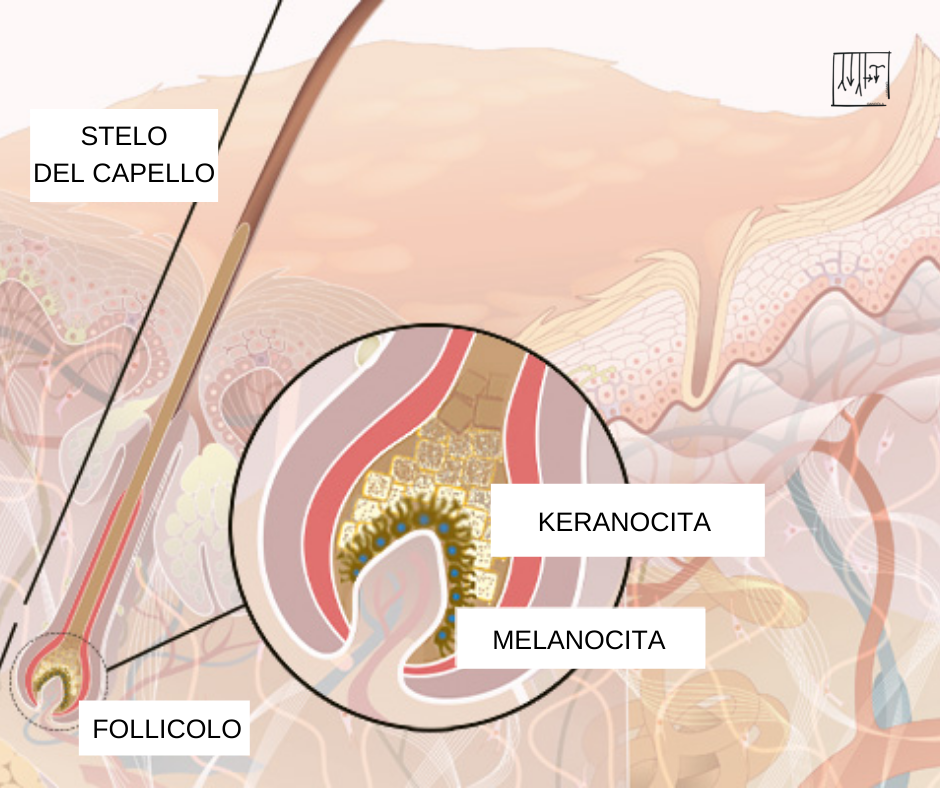
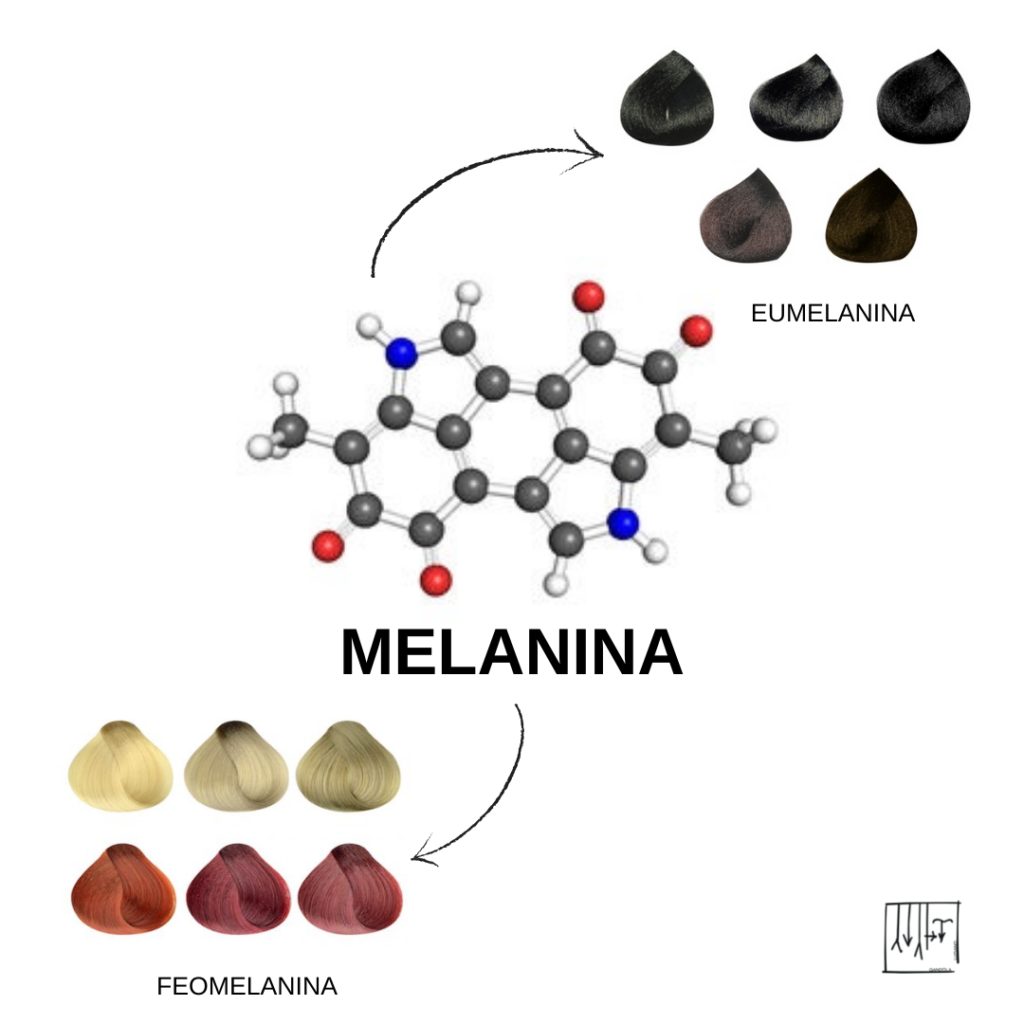
The color of the hair is given by melanin, the same pigment that tans the skin when exposed to the sun, there are two types:

Eumelanin: dark (black hair)

Pheomelanin: light (red or blonde hair).

In blonde hair, melanin pigments are present only in the cuticle, while in colors ranging from brown to black they are also present in the medullary layer.

In red hair, melanin pigments are replaced by diffuse soluble pigments.

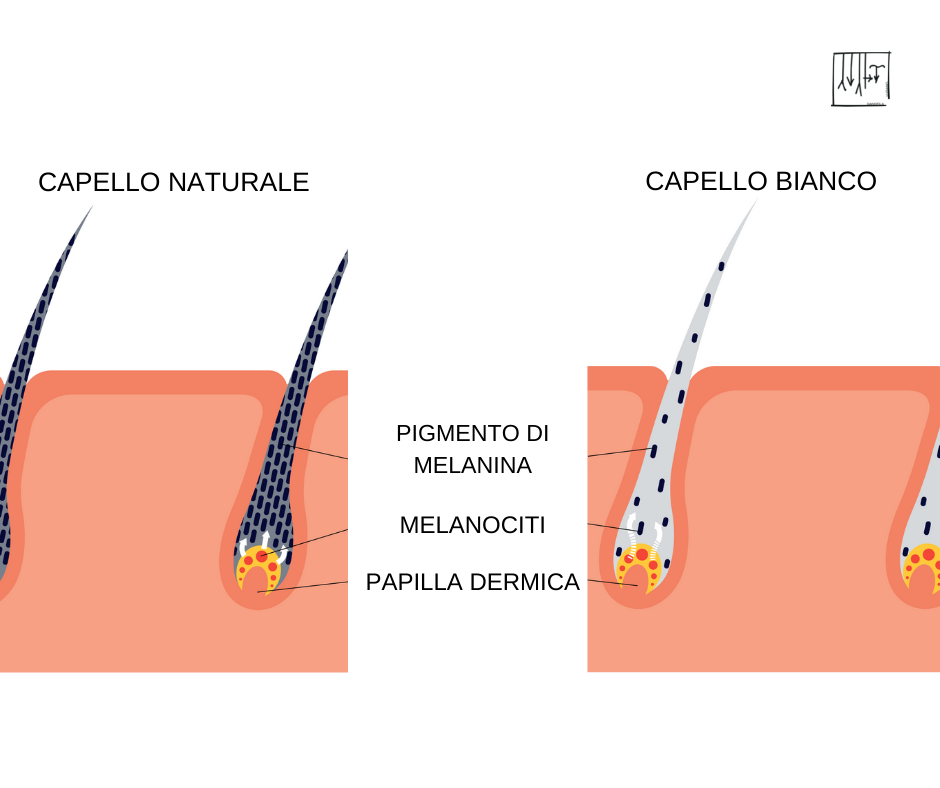
The hair turns white, due to the loss of the enzymatic exchange between tyrosine and melanocytes, the cells that produce melanin.

They can also change color suddenly. Hair is also rich in elements, which vary according to its color: iron is more abundant in red hair, magnesium in black hair, lead in brown hair.


When to start dyeing your hair?

There is no rule depends on how much they bother the person concerned.

When you have more than 50% white hair you notice a lot, you can decide to color it or appreciate the diversity and keep it as it is.


How to switch from dye to gray hair?

To make the transition from dye to white hair less sharp and traumatic, the ideal is to rely on your hairdresser and study a transitional color, lightening or darkening the usual hair color to reduce the contrast.

For those who just don’t want them. How to counteract the growth of gray hair?

We are talking about lifestyle, poor diet, hormonal imbalances, but also stress.

Specifically: a diet low in vitamins and minerals, in particular B vitamins, vitamin A, iron, sulfur, copper and zinc as well as proteins, specifically cystine and lysine, can promote premature graying.

Smoking, alcohol and drug abuse can accelerate the appearance of the so annoying silver threads.

Prevention is the only weapon we have to delay the onset of gray hair as much as possible.

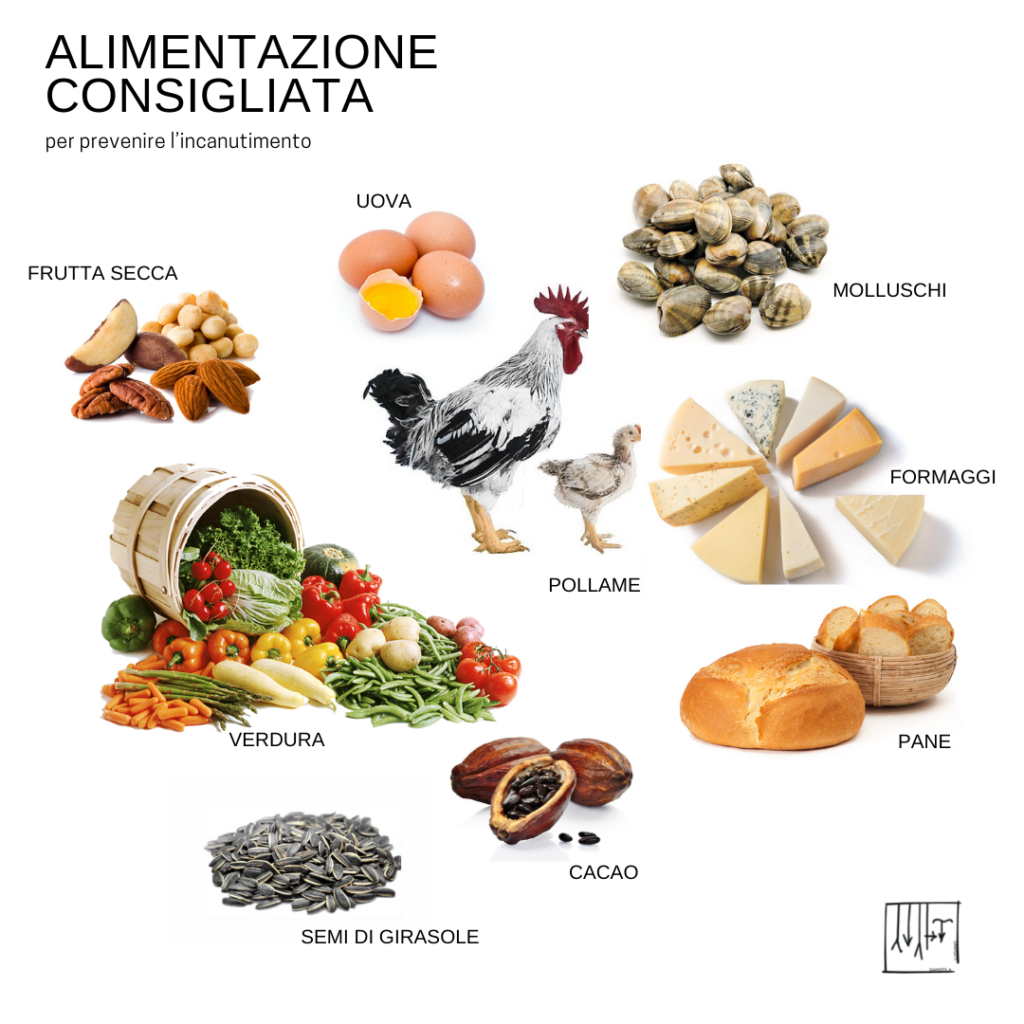
The first piece of advice is to follow a balanced diet, rich in vitamin B and folic acid, contained in bread, vegetables, poultry, cheese and eggs, essential elements for keeping cells healthy.

A diet should include copper-rich foods: dried fruit, liver, dried mushrooms, cocoa, shellfish, sunflower seeds and wheat bran.

Another important mineral is selenium. This mineral is a constituent part of cysteine and methionine, two fundamental elements for the well-being of nails and hair. It also contributes to the renewal of scalp cells, facilitating the consequent maintenance of thick and shiny hair.

Scroll to Top